
RESEARCH
We work to understand and address the social determinants of ill health.
We implement and evaluate health programs with a goal of advancing health equity and access to care and social services especially for impoverished communities. We have a special interest in delivery of health care, food insecurity, emerging infectious diseases, public health, and comprehensive ways to eliminate the transmission of cholera. We use quantitative and qualitative methods.
View all publications on Google Scholar.

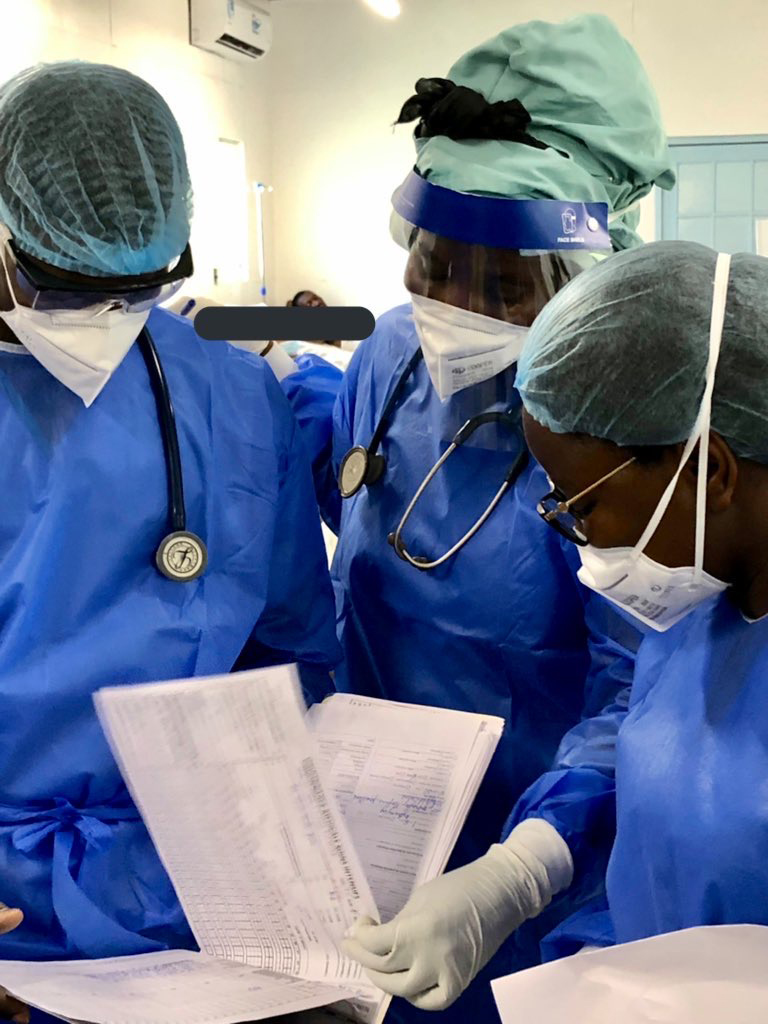
Rift Valley Fever — The Need for an Integrated Response
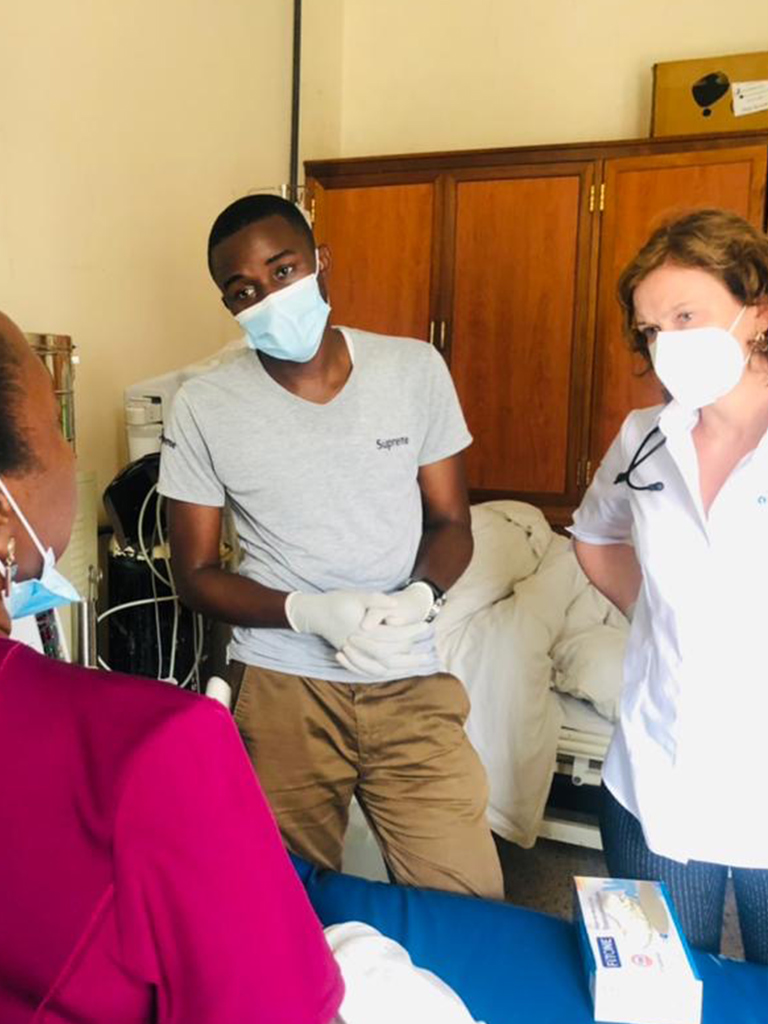
Rift Valley Fever is an important emerging infectious disease that is under-resourced. We describe an integrated, community-based approach to control and prevention. Authors: Nelson Wandera, M.B., Ch.B., Peter Olds, M.D., Rose Muhindo, M.Med., and Louise Ivers, M.D.

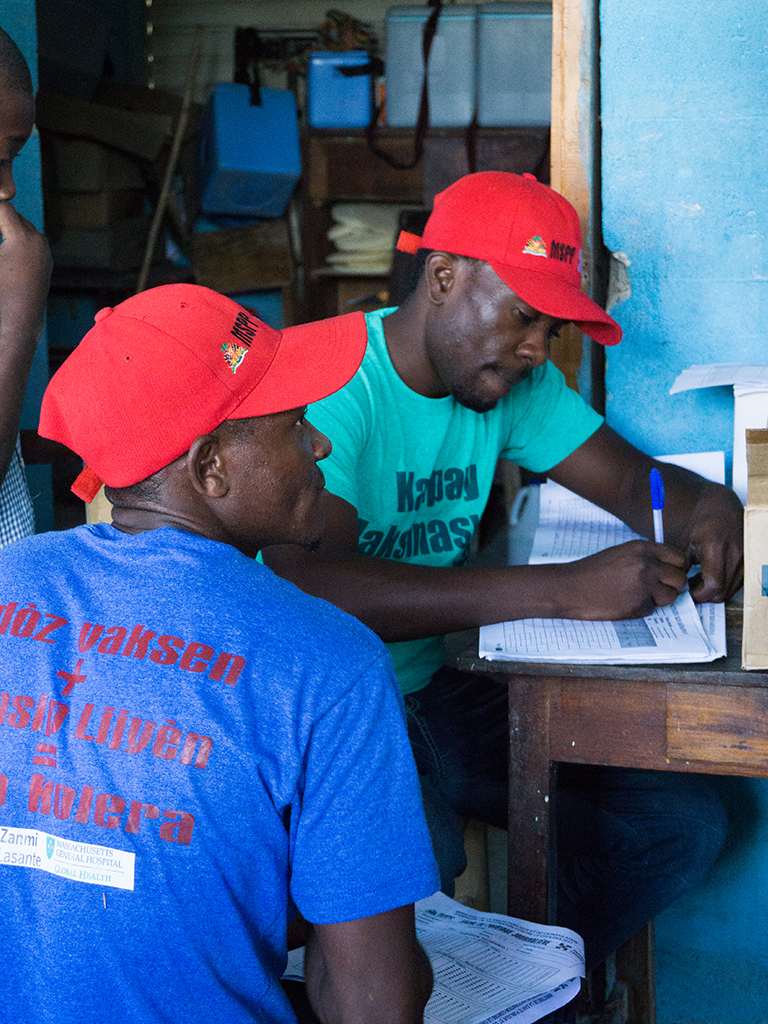
Poor Sensitivity of Stool Culture Compared to Polymerase Chain Reaction in Surveillance for Vibrio cholerae in Haiti, 2018–2019
Our research in Haiti demonstrates that stool culture missed many cases of cholera raising the question of whether stool culture alone is sufficient for cholera surveillance in waning epidemics. Authors: Yodeline Guillaume, Meti Debela, Damien Slater, Kenia Vissieres, Ralph Ternier, Molly F Franke, Jason B Harris, Louise C Ivers
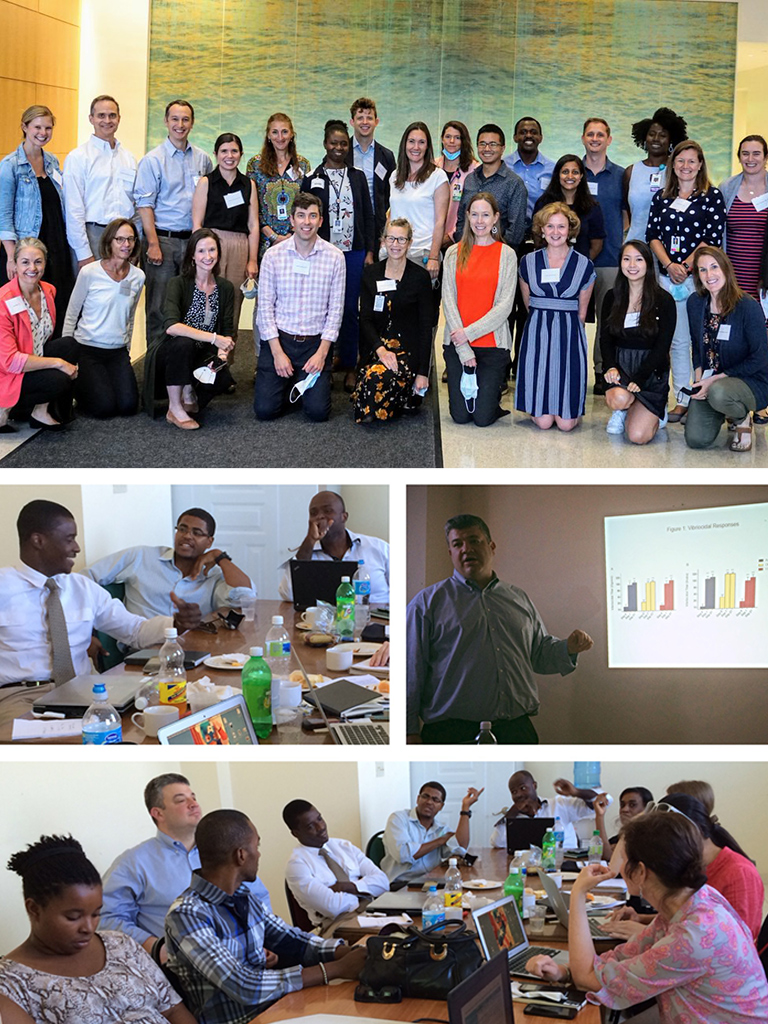
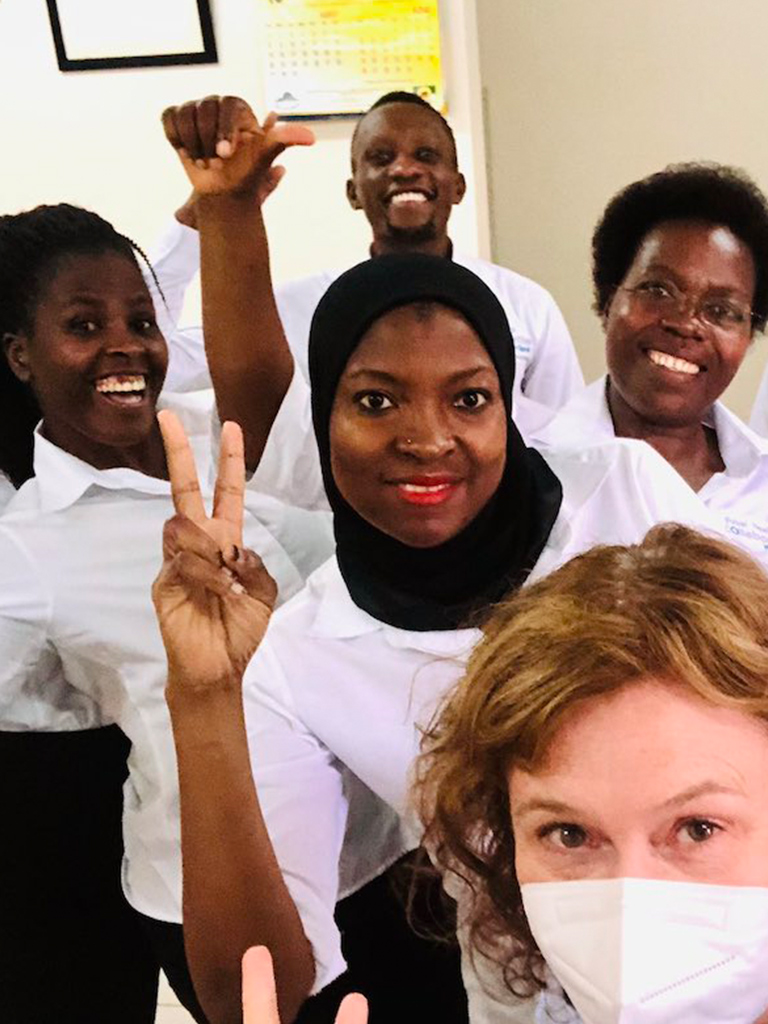
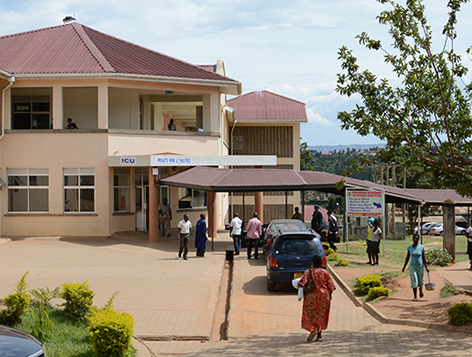
From 2018 to 2024 I led a donor-funded program to support clinical care and capacity building in south-west Uganda. This paper dives into the impact of the North-South partnership between Massachusetts General Hospital (MGH), Mbarara University of Science and Technology (MUST), and Mbarara Regional Referral Hospital (MRRH). We co-designed the program, with Prof Celestino Obua as partner, to strengthen the regional health system in southwestern Uganda. Guided by local priorities, the program aimed to improve access to care, enhance clinical capacity, expand medical education, and promote research and innovation.
Authors: Peter Olds, Stephen Asiimwe, Annet Kembabazi, Andrew Ainomugisha…etc